The Importance of Sensory Play in Early Childhood
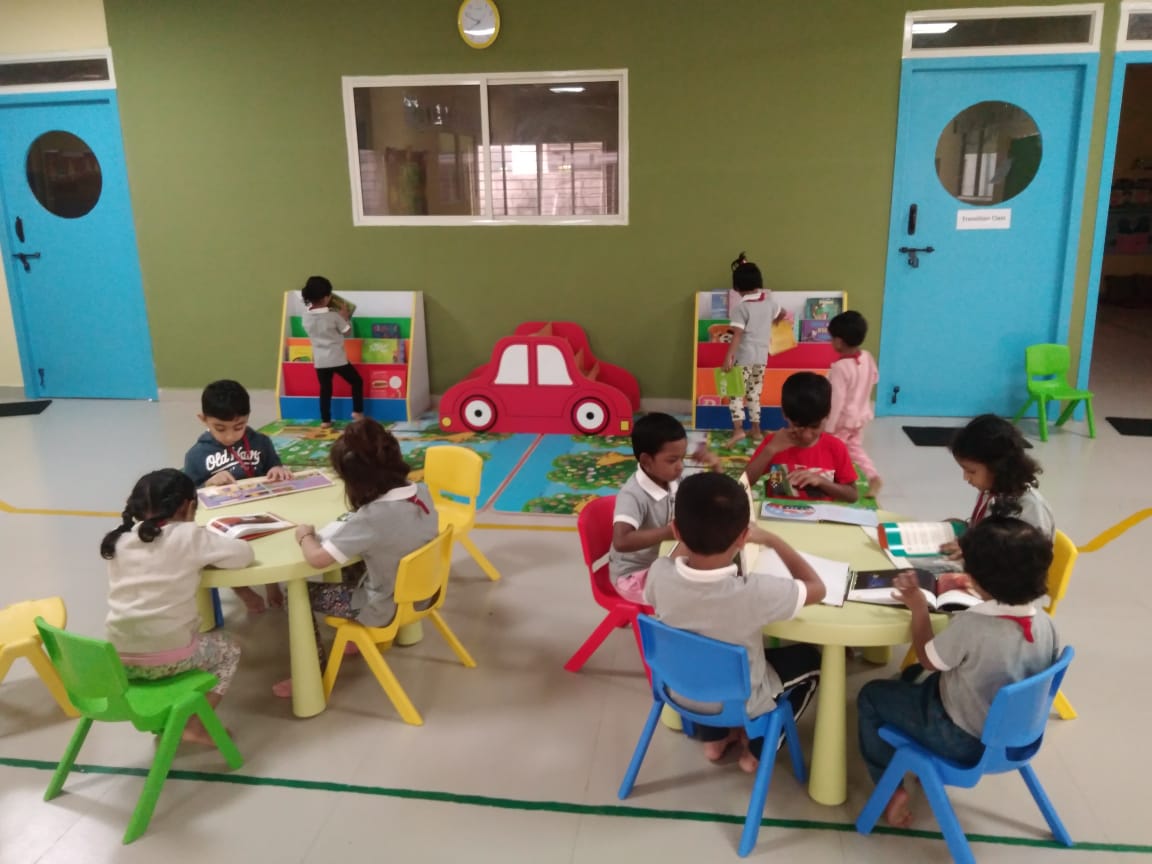
From the moment they are born, children are programmed to explore the world around them through their senses. Sensory play includes any activity that stimulates a child's senses of touch, smell, taste, sight or hearing, as well as anything that engages movement and balance.
Learning Through Touch
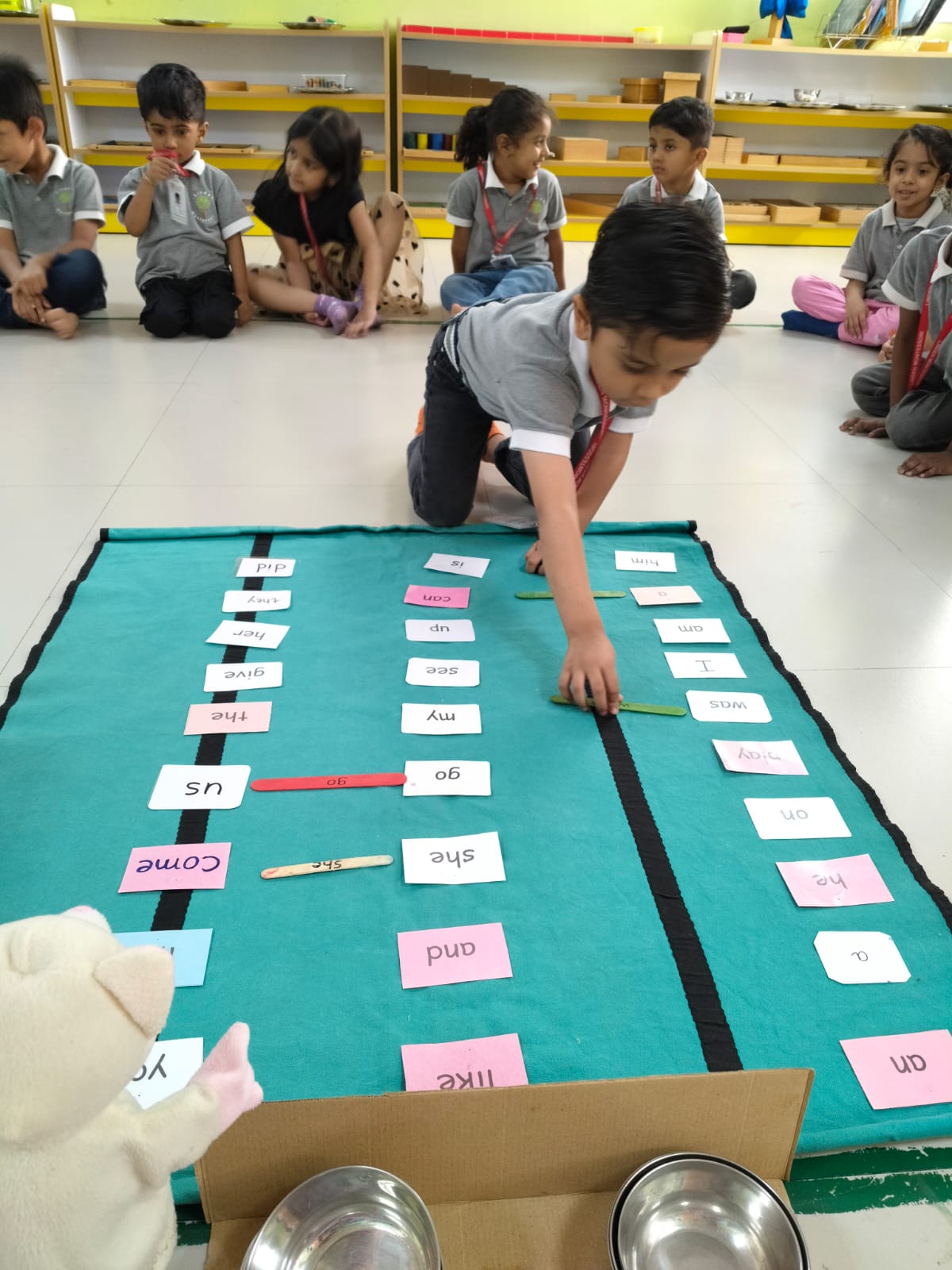
In a Montessori environment, sensory materials are scientifically designed to isolate specific concepts. When a child engages with materials like the Pink Tower or the Rough and Smooth Boards, they aren't just playing; they are building cognitive pathways.
Research shows that sensory play builds nerve connections in the brain's pathways, which lead to the child's ability to complete more complex learning tasks. It supports language development, cognitive growth, fine and gross motor skills, problem-solving skills, and social interaction.
"The senses, being explorers of the world, open the way to knowledge. Our apparatus for educating the senses offers the child a key to guide his explorations."
Creating Sensory Experiences at Home
You don't need specialized Montessori materials to encourage sensory play at home. The most meaningful experiences often come from everyday activities:
- → Baking together: Measuring flour, smelling vanilla, and kneading dough provides rich tactile and olfactory input.
- → Nature walks: Collecting rough pinecones, smooth pebbles, and crunchy leaves.
- → Water play: Simple pouring and transferring activities in the sink or bathtub.