Sensory Activities for Preschoolers: 20 Easy Ideas
Sensory activities for preschoolers are hands-on play ideas that let children explore through touch, sight, sound, smell, taste and movement. Easy examples include a dal-and-rice sensory bin, atta dough, scent jars, sound shakers and a balance walk. This guide gives 20 ideas with set-up, age, mess level and the skills each one builds.
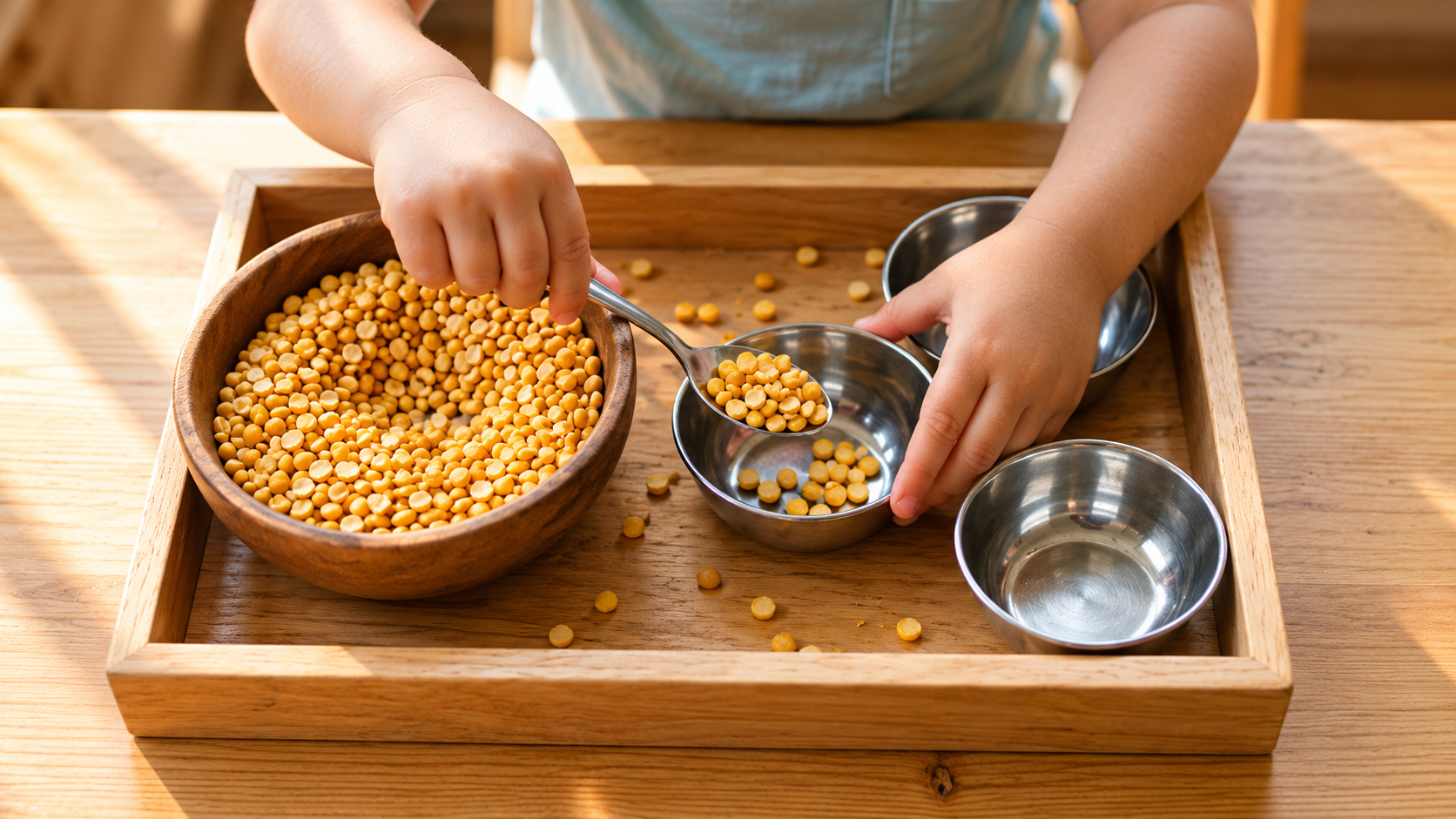
Hand a toddler a bowl of dal and a spoon, and watch what happens. The scooping goes on long after you expected them to move on. That absorbed, almost serious look is not a child filling time. It is a child learning.
Young children learn through their senses long before they learn from worksheets. Every squish, pour, shake and sniff sends the brain a new piece of information about how the world works. The good news is that you do not need a special kit. Most of the best sensory ideas for preschoolers live in your kitchen, your balcony garden or your recycling bin.
This guide is written from a Montessori perspective, where refining the senses is considered the foundation of all later learning.
What are sensory activities for preschoolers?
Sensory activities are play experiences that stimulate one or more senses: touch, sight, hearing, smell, taste, and also movement and balance. They help children notice, compare and describe, which builds attention, vocabulary and early thinking skills.
Sensory play includes squishing dough, pouring water, shaking a rattle, smelling a herb and walking along a line. It does not need to be messy and it does not need special products.
What are the benefits of sensory play?
Sensory play is not a medical treatment. If you have worries about your child’s sensory responses, speak to your paediatrician.
How do Montessori classrooms approach sensory learning?
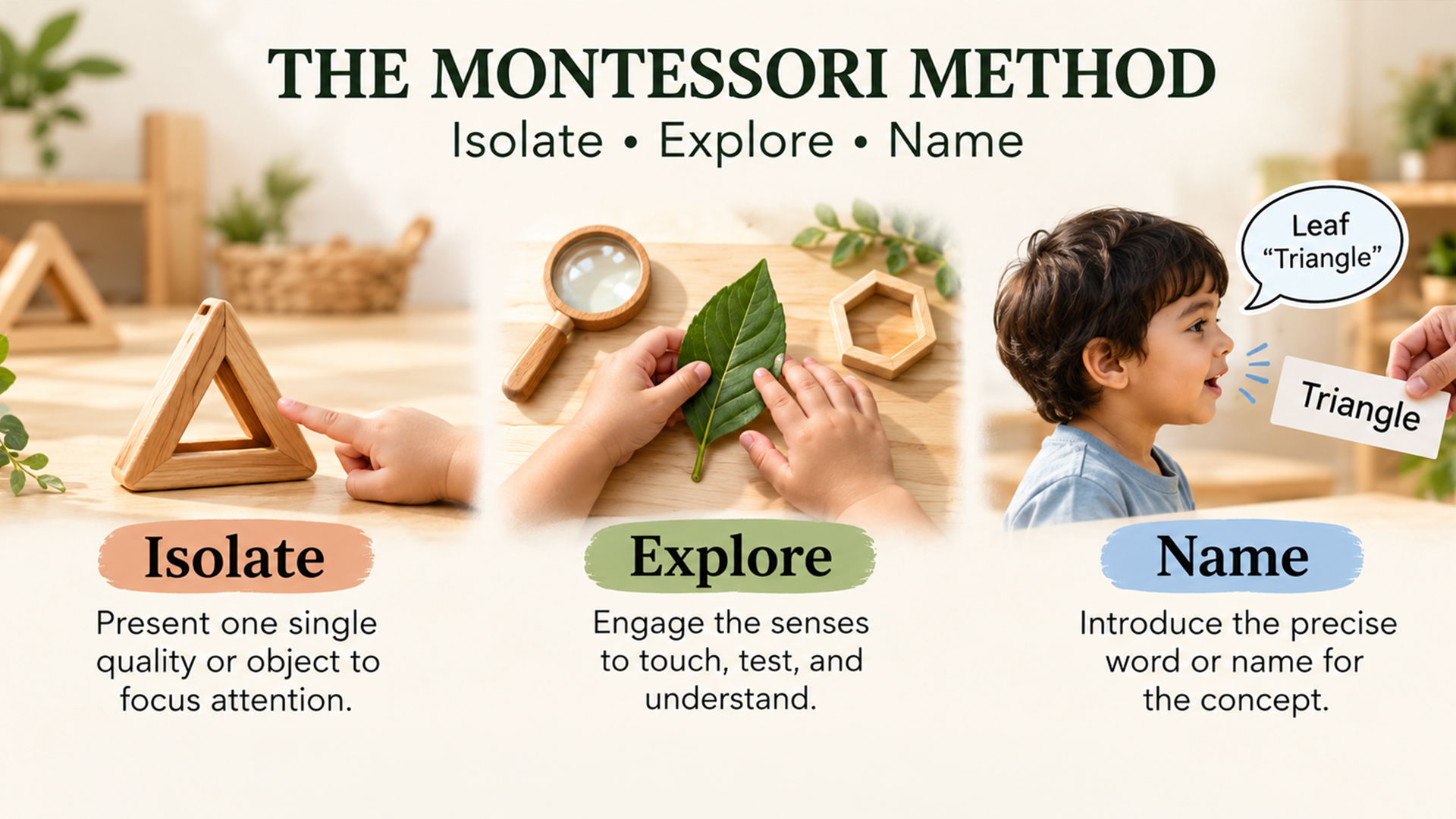
Montessori classrooms have a dedicated sensorial area. Materials there are designed to isolate one quality at a time. Colour tablets focus only on colour. Sound cylinders focus only on loudness. Smelling bottles, tasting bottles, fabric swatches, weighted tablets and warm-and-cool tablets work the same way.
You can use the same idea at home with the Isolate–Explore–Name method:
- 1 Isolate. Change only one thing: texture, or smell, or sound.
- 2 Explore. Let your child investigate freely and slowly.
- 3 Name. Use a simple three-step vocabulary game: “This is rough.” “Show me rough.” “What is this?”
The three-part naming game is a classic Montessori technique, and it works beautifully with sensory play.
How do you keep sensory play safe?
Which sensory activities suit which age?
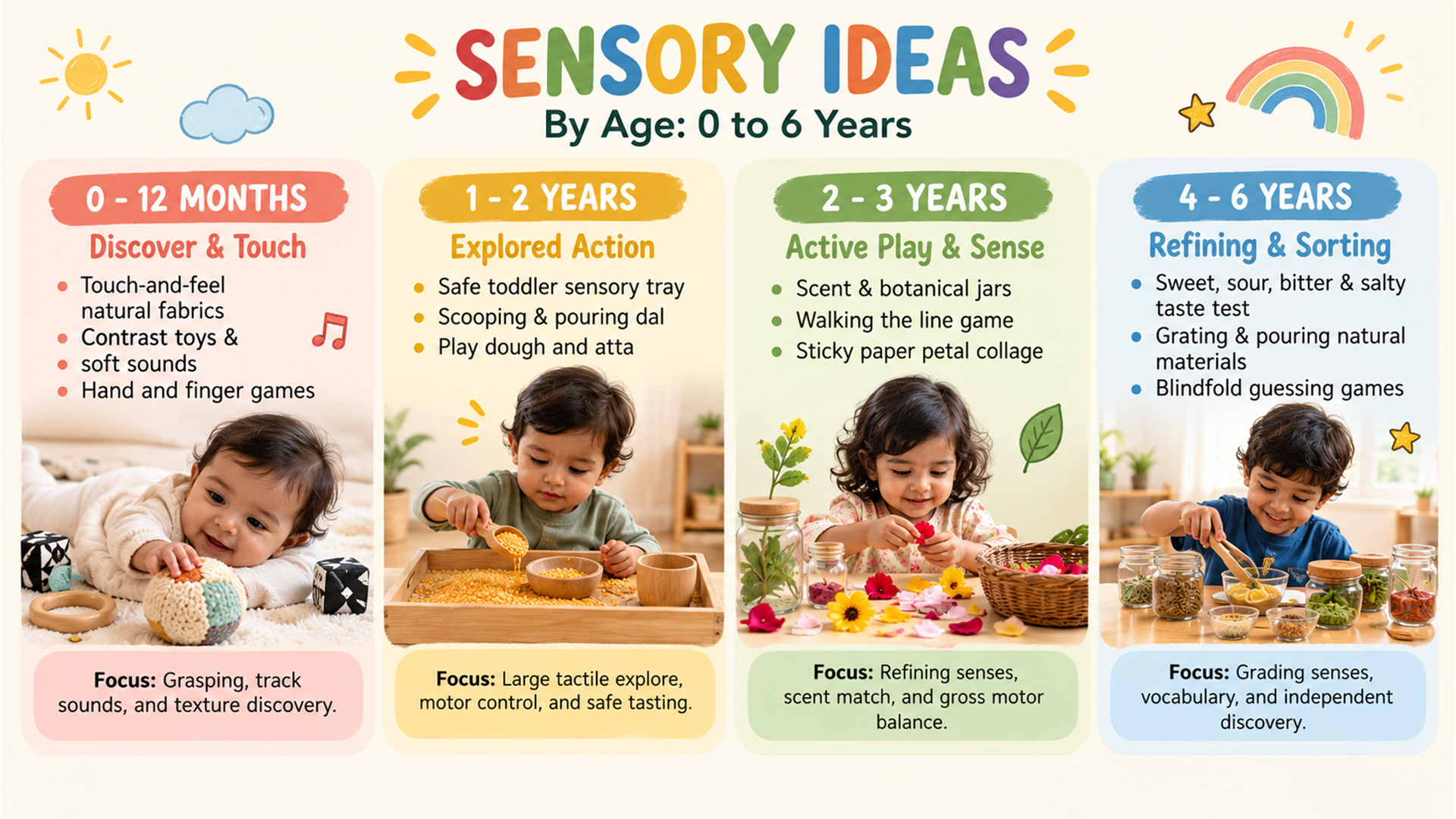
| Age | Good ideas | Notes |
|---|---|---|
| 1½–3 years | Water pouring, atta dough, sound shakers, mud and sand play | Large items only, close supervision |
| 3–4 years | Dal bin, mystery bag, smelling jars, colour mixing, barefoot texture walk | Add vocabulary using the three-part naming game |
| 4–6 years | Taste tray, sound mapping, fabric matching, balance walk | Offer harder matching and more choice |
20 easy sensory activities for preschoolers
Each idea shows a starting age, mess level and typical time, followed by materials, steps, the skills it builds, and words to use.
✋ Touch (7 ideas)
1. Dal and rice sensory bin
You need: A tray or tub, toor dal, moong dal or rice, steel katoris, spoons, funnels.
Try: Let your child scoop, pour and sift. Add a few small toys to hide and find.
Builds: Hand control, concentration, measuring ideas.
pour, full, empty, heavy, light
2. Atta dough play
You need: Atta, water, a spoon of oil, a small rolling pin.
Try: Mix to a soft dough and roll rotis, balls and snakes.
Builds: Hand strength, practical life skills.
soft, sticky, squishy, flat, round
3. Mystery bag
You need: A cloth bag and 4 to 5 safe familiar objects such as a spoon, a shell, a sponge, a wooden block.
Try: Your child reaches in, feels without looking and guesses.
Builds: Touch memory, vocabulary, concentration. This is a classic Montessori activity.
smooth, rough, hard, soft, round
4. Fabric matching
You need: Two small swatches each of cotton, silk, jute and wool, from old dupattas or sarees.
Try: Mix them up and match the pairs by feel, first with eyes open and later closed.
Builds: Discrimination, attention to detail.
silky, scratchy, woolly, smooth
5. Cornflour “oobleck”
You need: 2 parts cornflour to 1 part water, a tray.
Try: Press it and it feels solid. Let it rest and it flows.
Builds: Early science, curiosity.
solid, liquid, drip, hard, runny
6. Mud and sand digging
You need: A garden patch, a sandpit or a tub, spoons, scoops, a little water.
Try: Dig, fill, pour, build, squish.
Builds: Gross and fine motor skills, imagination.
wet, dry, lumpy, sticky
7. Water pouring and washing station
You need: A tub, a jug, sponges, soap and a few waterproof toys.
Try: Wash the toys, then dry them with a towel.
Builds: Wrist control, coordination, independence.
bubbly, slippery, wet, dry
👀 Sight (3 ideas)
8. Colour mixing with droppers
You need: A white tray, water, red, blue and yellow food colouring, droppers or spoons.
Try: Mix drops and watch new colours appear. Blue and yellow make green.
Builds: Colour awareness, fine motor control, early science.
darker, lighter, mix, change
9. Torch and shadow play
You need: A torch, a plain wall, small toys and hands.
Try: Make shadows bigger and smaller by moving closer or further.
Builds: Observation, cause and effect.
big, small, near, far, dark
10. Calm-down discovery bottle
You need: A clear plastic bottle, water, a little glitter or beads, a drop of clear gel. Seal the lid with strong glue.
Try: Shake and watch it settle. Use it as a quiet-time tool and never as a punishment.
Builds: Visual focus, self-calming.
swirl, settle, slow, still
👂 Sound (3 ideas)
11. Sound shaker match
You need: 6 identical opaque containers, two each filled with rice, dal and pebbles. Seal them.
Try: Shake and find the matching pair by sound alone.
Builds: Listening, memory. This mirrors the Montessori sound boxes.
loud, soft, rattling, tinkling
12. Listening walk
You need: A balcony or garden.
Try: Stand quietly for one minute. In Bengaluru you might hear crows, a koel, temple bells, a pressure cooker whistle or an auto.
Builds: Attention, vocabulary, mindfulness.
near, far, high, low
13. Kitchen band
You need: Steel bowls, wooden spoons, tins, plastic tubs.
Try: Tap each one and compare. Then make a rhythm together.
Builds: Rhythm, coordination.
tap, bang, tinkle, thud
👃 Smell (3 ideas)
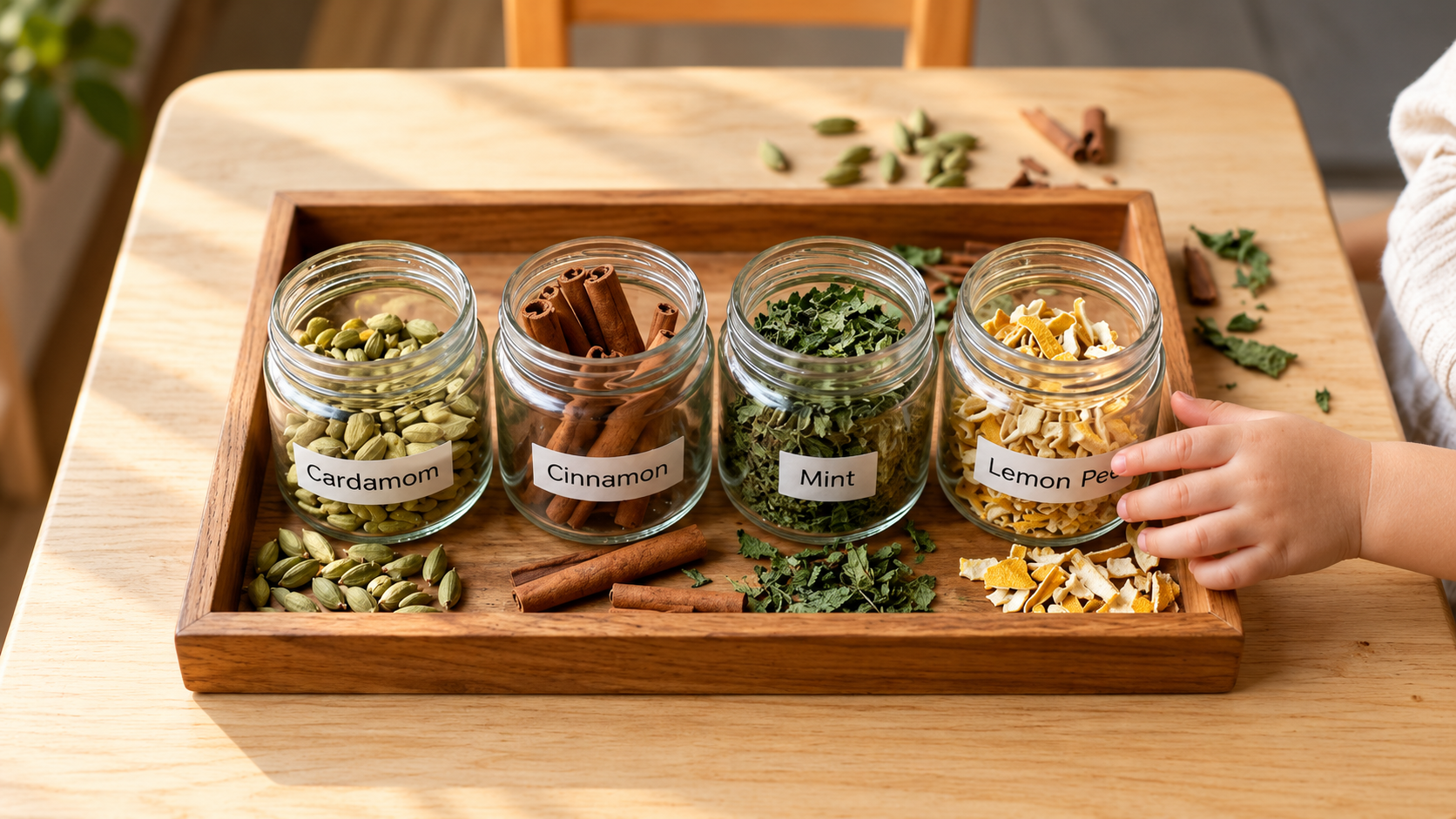
14. Smelling jars
You need: Small jars with lids and pierced covers filled with cardamom, cinnamon, lemon peel, mint, coffee.
Try: Sniff each one and describe it. Make two sets to match pairs.
Builds: Observation, memory, vocabulary.
sweet, sharp, fresh, strong
15. Herb crush and smell
You need: Tulsi, curry leaf, mint, coriander, lemongrass from your pot garden.
Try: Rub a leaf between your fingers, sniff and compare.
Builds: Nature awareness, sensory vocabulary.
fresh, green, spicy, sweet
16. Petal water scoop
You need: A tub of water, jasmine, rose or marigold petals, a ladle and cups.
Try: Scoop and pour while the scent rises.
Builds: Pouring skills, calm.
floating, fragrant, soft
👅 Taste (2 ideas)
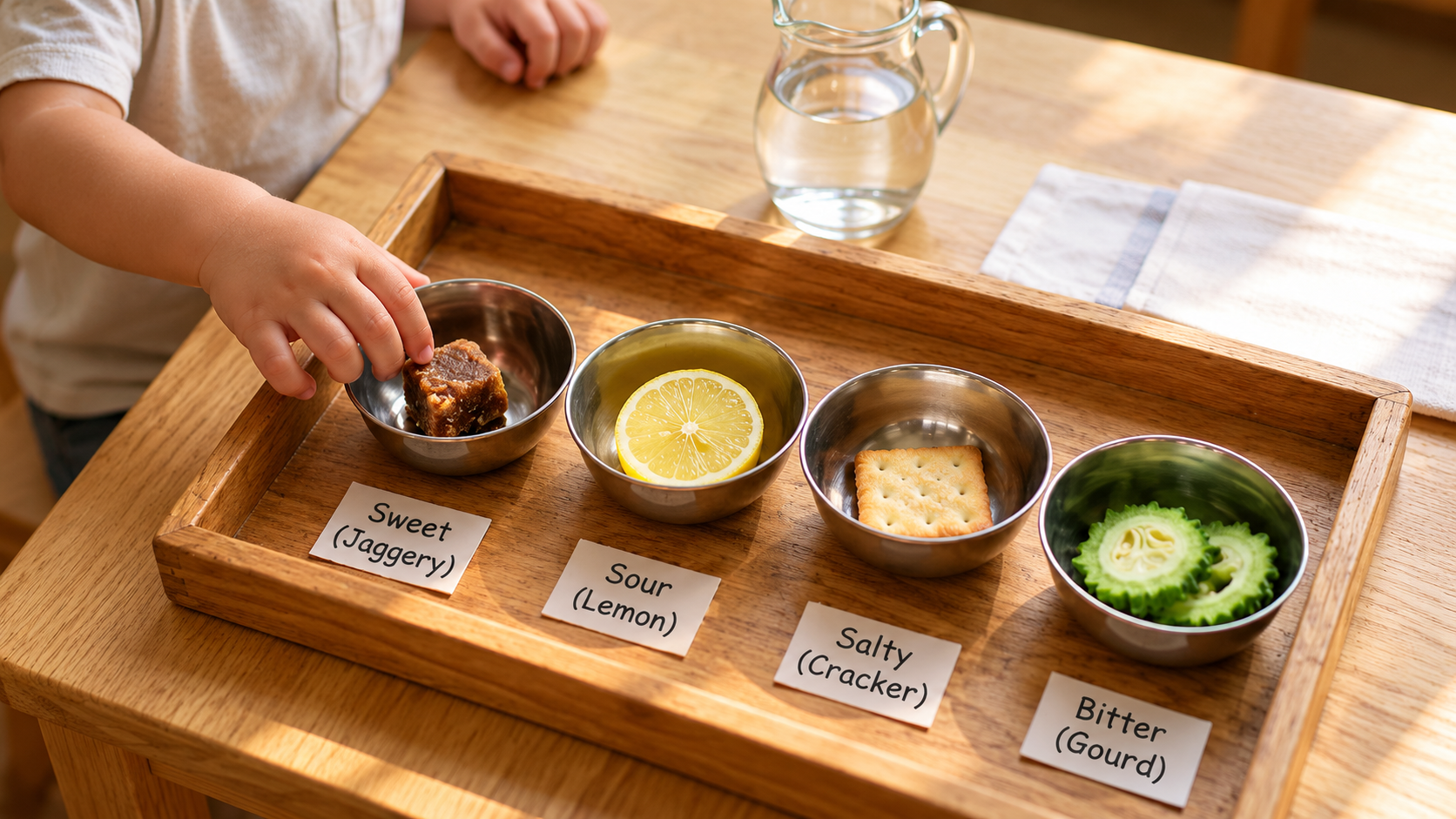
17. Four-taste tray
You need: A tiny piece of jaggery (sweet), lemon or tamarind water (sour), a pinch of salt on a cracker (salty), a sliver of bitter gourd (bitter).
Try: One taste at a time. Name it, and never force.
Builds: Food confidence, vocabulary.
sweet, sour, salty, bitter
18. Cut and taste a fruit
You need: A banana or a soft guava, a child-safe knife, a plate.
Try: Feel, smell, slice and taste.
Builds: Practical life skills, taste awareness, independence.
ripe, juicy, soft, sweet
🤸 Movement and balance (2 ideas)
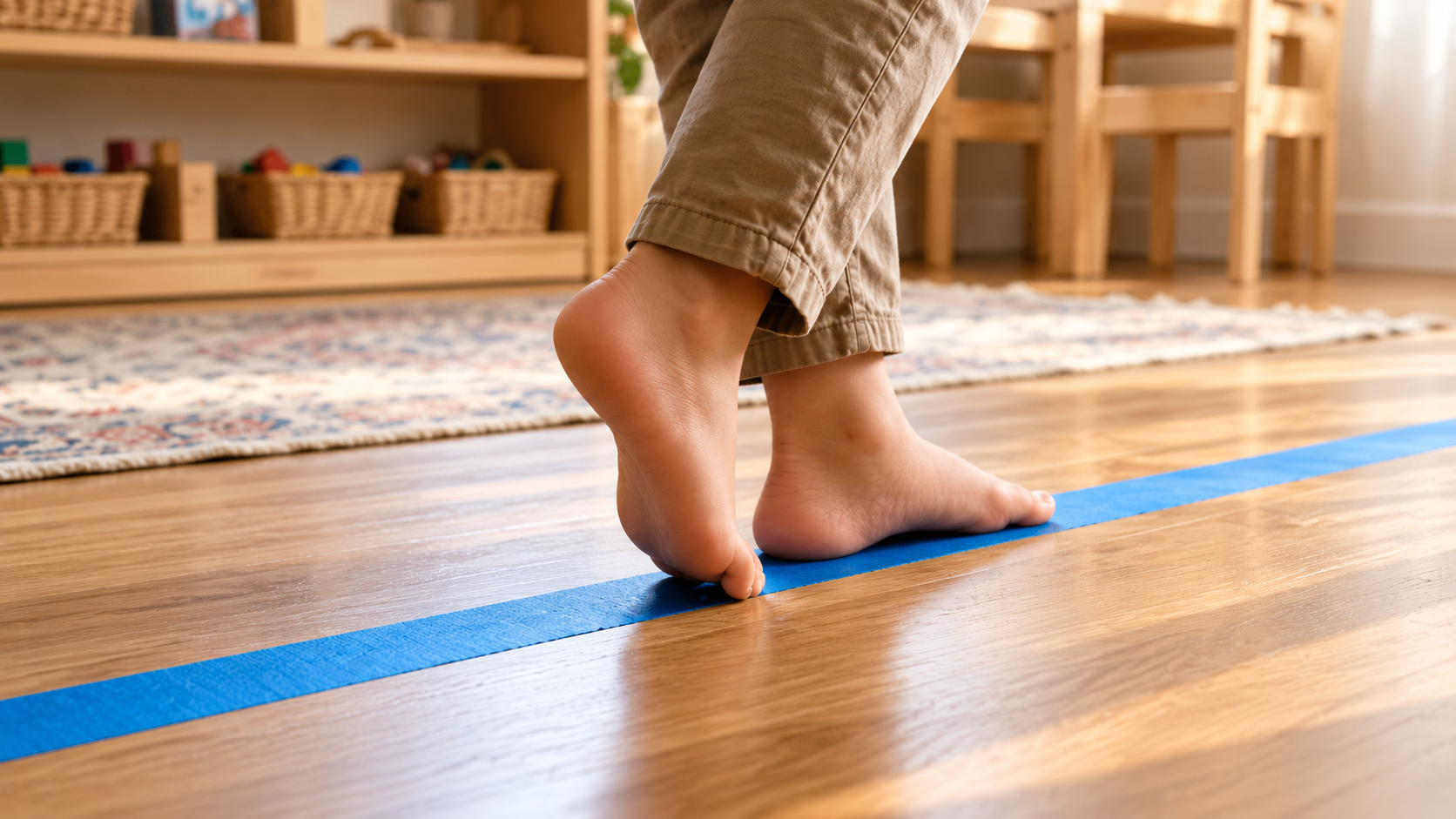
19. Barefoot texture walk
You need: A mat, a towel, a tray of sand, a patch of grass.
Try: Walk barefoot over each surface, slowly.
Builds: Balance, body awareness, texture words.
soft, bumpy, cool, rough
20. Walk the line
You need: Masking tape on the floor in a straight or curvy line, a small bell or a spoon with a ball.
Try: Walk heel to toe along the line, carrying the bell without ringing it.
Builds: Balance, concentration, control. A familiar activity in Montessori classrooms.
slowly, carefully, steady, balance
What if your child avoids messy play or certain textures?
That is common and worth respecting. Offer tools like a spoon, brush or tongs so your child can explore without direct touch. Try dry materials before wet ones, and let your child watch you first. Over repeated, low-pressure exposures, most children grow more comfortable. If texture sensitivity affects daily life, such as eating, dressing or hygiene, talk to your paediatrician or an occupational therapist.
How often should preschoolers do sensory activities?
Short and regular beats long and rare. Ten to twenty minutes, a few times a week, is plenty. Rotate the material every one to two weeks so it stays interesting.
How do you set up a sensory corner at home?
Use one low shelf, one tray, a washable mat and a small towel. Keep activities in lidded boxes so your child can ask for one. Store dry materials in labelled containers and put out only one activity at a time.
How does sensory learning show up at Linden Montessori?
Sensory exploration is built into Montessori learning from the start, through hands-on materials, practical life work, outdoor time and calm, uncluttered spaces. You can see more in what makes Linden Montessori’s infrastructure unique, explore life at Linden and browse the gallery. For more ideas to try at home, visit our parenting tips.
Keep going with these related guides
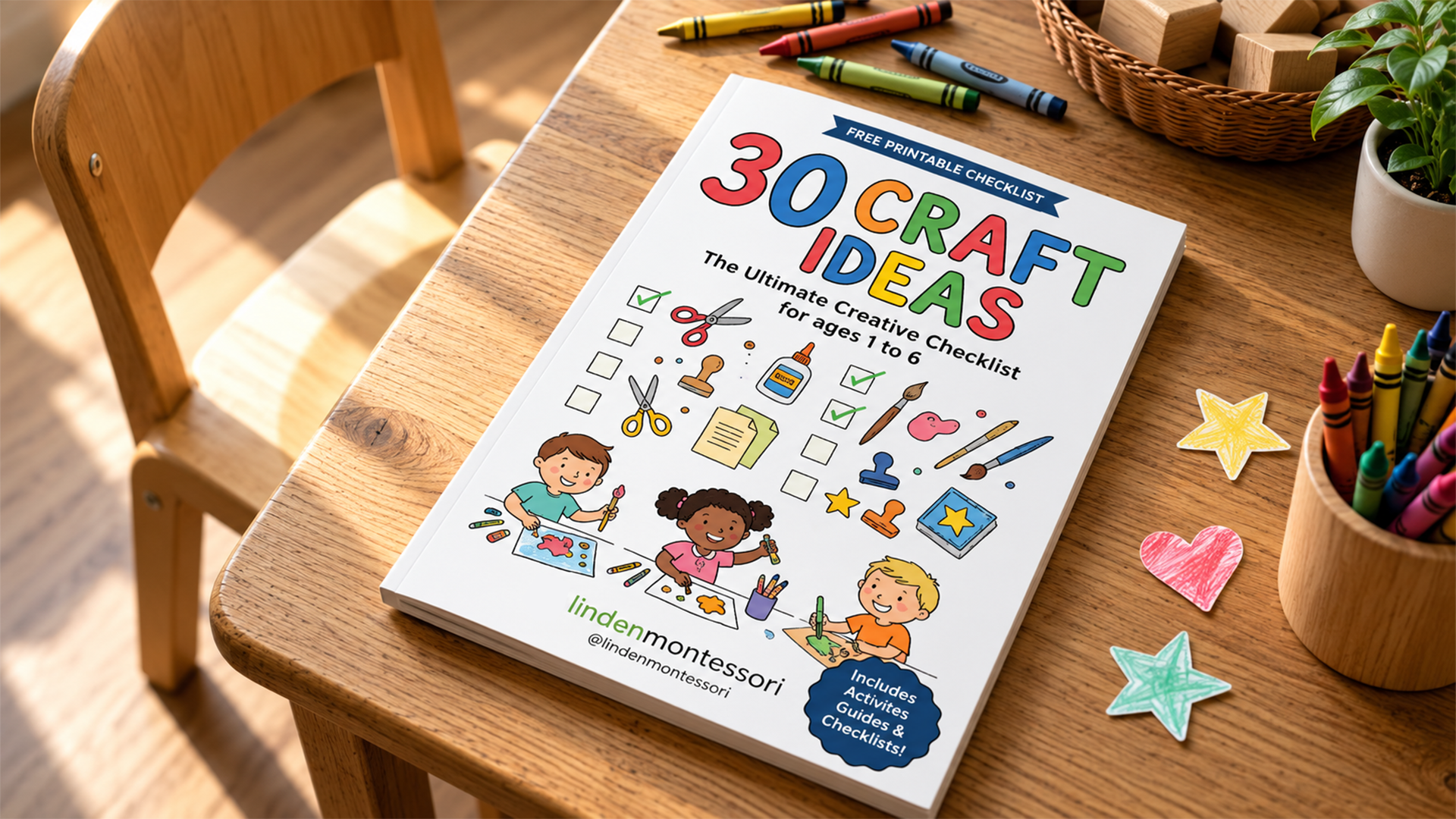
Art and Craft for Preschool: 30 Easy Ideas for Kids. Many crafts double as sensory play.
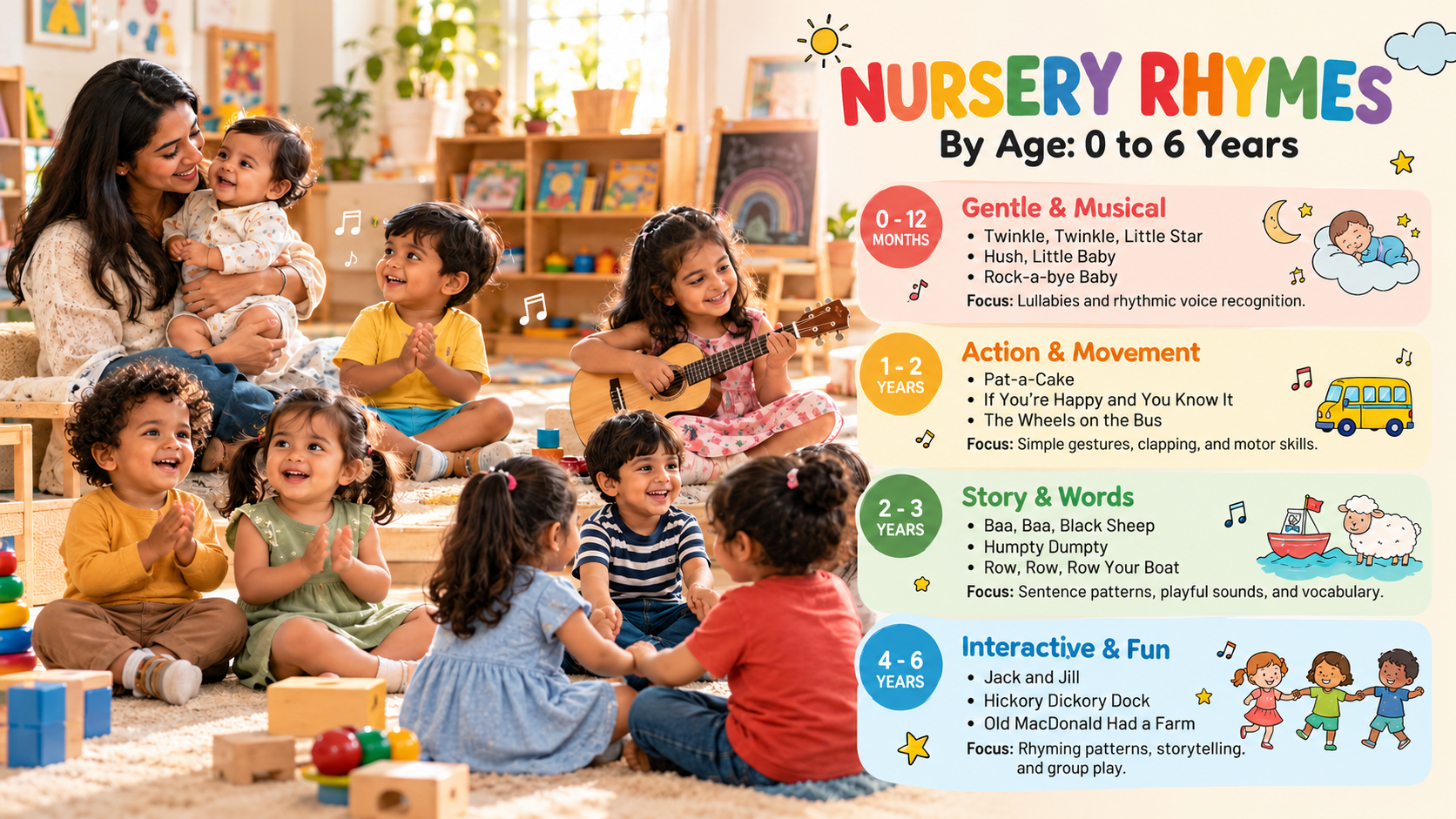
Nursery Rhymes List: 50 Popular English Rhymes for Kids. Add a rhyme to your sensory bin.
Frequently asked questions
What are sensory activities for preschoolers?
Sensory activities are hands-on experiences that engage a child’s senses, such as touching dough, smelling herbs, listening to shakers or walking on a line.
At what age can children start sensory activities?
Babies explore through their senses from birth. Structured activities with dough, water and bins suit children from about 18 months, with supervision.
Are sensory bins safe for toddlers?
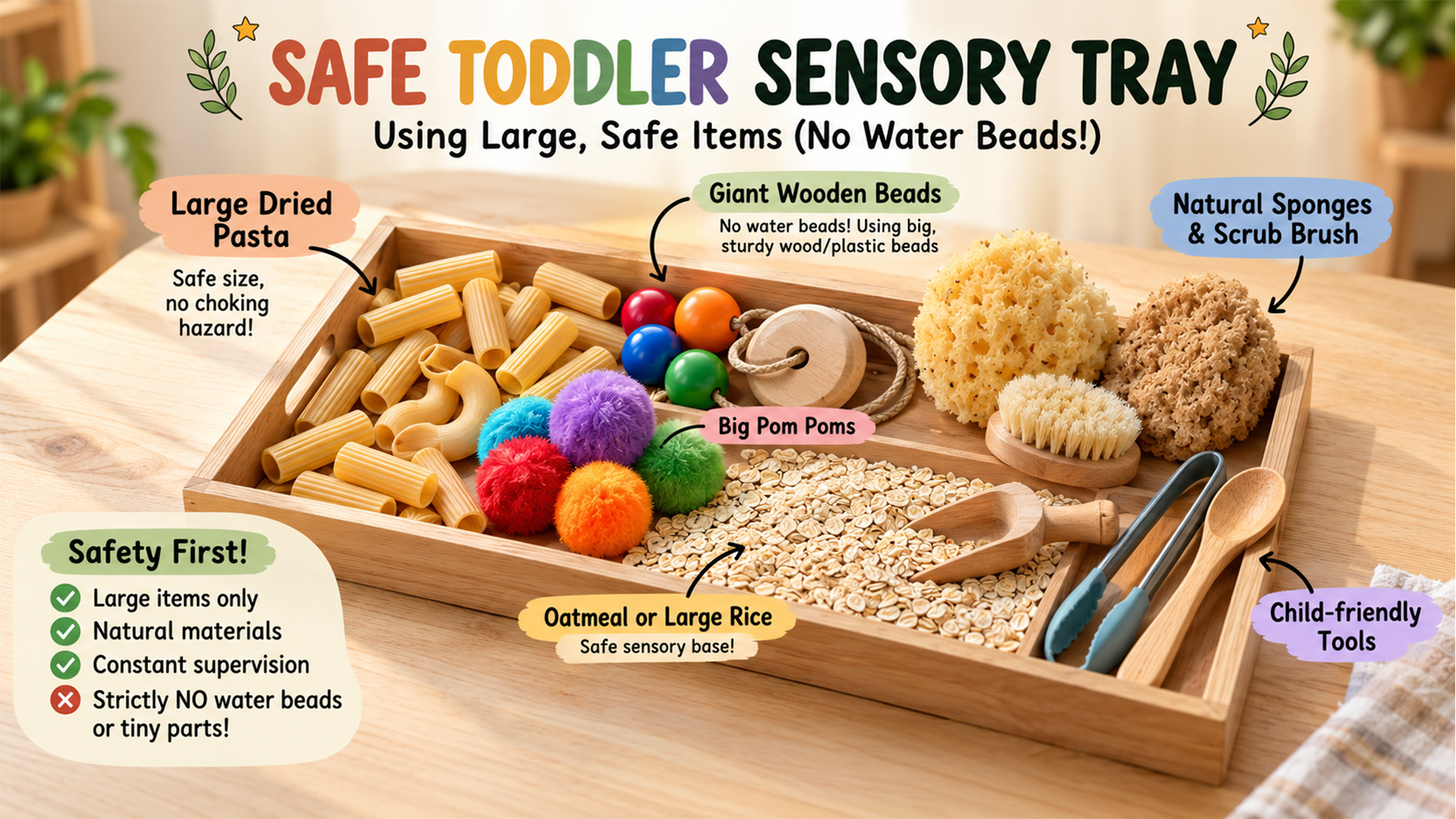
Yes, if you use large, non-choking materials, supervise closely and avoid items like water beads. Choose dry bases such as big pasta or fabric scraps for toddlers who still mouth things.
How long should a sensory activity last?
Ten to twenty minutes suits most preschoolers. Follow your child’s interest and let them stop when they are finished.
Can sensory play help with focus?
It can help children settle and concentrate, especially with repetitive, calming tasks like pouring. It is a helpful routine, not a treatment for any condition.
What if my child puts things in their mouth?
That is normal for toddlers. Use large, safe, non-toxic items, stay within arm’s reach and choose edible or taste-safe materials like atta dough.
Looking for a Montessori preschool in Whitefield?
Choosing a school is a big decision. Start with our parent’s guide to the best preschool in Whitefield, see what we offer in our programs, and book a visit to experience a Montessori classroom for yourself.